Lower Body
Squats, lunges, calf raises, step-ups on a stable stair.

Four core categories to rotate through your week for balanced, sustainable movement.
Mobility work targets joint range of motion and muscle length through controlled, repeated movements—not bouncing stretches. These sessions suit desk workers, drivers, and anyone who feels stiff after long sitting periods. Typical duration: three to six minutes.
Common movements include neck retractions, thoracic rotations, hip flexor lunges with an overhead reach, and ankle circles. Perform slowly, breathing steadily. Mobility micro-workouts pair well with morning coffee or the first five minutes after you arrive home.
Research on workplace stretching programs shows mixed but often positive reports on perceived discomfort and posture awareness. Even when objective measures are modest, the subjective ease of movement many people report supports regular practice.
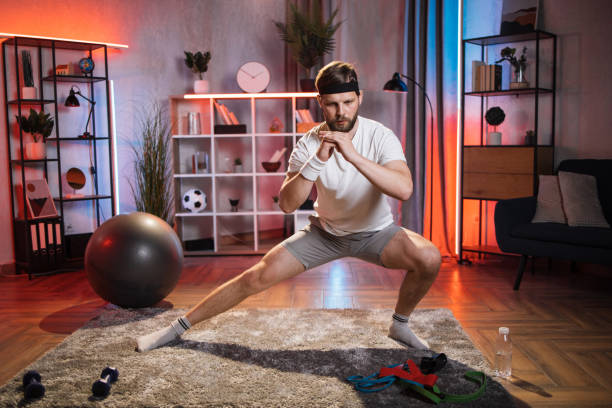
Strength-focused micro-sessions use bodyweight or light resistance to maintain muscle stimulus. Think chair squats, incline push-ups, glute bridges, and resistance-band rows. Aim for time under tension rather than speed—four seconds down, one second up on many reps.
A practical five-minute strength micro-workout: thirty seconds each of squats, wall push-ups, dead bug hold, and glute bridge, repeated twice with fifteen-second transitions. Adjust reps so the last set feels challenging but form stays crisp.
Squats, lunges, calf raises, step-ups on a stable stair.
Push-up variations, wall slides, band pull-aparts.
Dead bug, plank, bird-dog, seated spine twists.
Cardio micro-workouts elevate heart rate briefly without requiring running shoes or a treadmill. March in place with high knees, perform step-ups on a bottom stair, or cycle through low-impact jumping jacks if joints tolerate impact.
Interval structure works well: twenty seconds of effort, forty seconds of walking in place, repeated five times equals five minutes. Monitor breathing—you should be able to speak a short sentence during the easy phase. These sessions combat afternoon sluggishness effectively.
Match workout type to how you feel that day. Choose mobility on high-stress days; save harder cardio intervals for days when sleep and hydration were solid. Alternate muscle groups so you are not performing heavy squats in every single session.
Wear stable shoes for cardio bursts; go barefoot or in socks only for controlled mobility on a non-slip surface. If you use resistance bands, inspect them for tears before each use. Progress one variable at a time—more reps, slightly longer work intervals, or an extra session per week—not all three simultaneously.
These combine diaphragmatic breathing, gentle flowing movement, and body awareness. They suit evening wind-down or moments of mental overload. Example: four minutes of box breathing (inhale four, hold four, exhale four, hold four) followed by slow standing forward folds and shoulder rolls.
They are not a substitute for sleep or stress management, but they can lower perceived tension and prepare your nervous system for rest. Pair with dim lighting and phone notifications paused for the duration.
View Exercise Instructions